In today's automotive landscape, protecting a vehicle goes far beyond routine maintenance and occasional washing. Modern vehicles face a variety of environmental and physical hazards that can gradually diminish their appearance, value, and overall condition. From harsh weather conditions to road debris and everyday wear, vehicle owners are increasingly seeking solutions that help preserve their investments for the long term.
Paint Protection Film (PPF) and ceramic coatings have emerged as two of the most effective methods of vehicle protection available today. These advanced solutions provide a defensive barrier against many of the common threats that vehicles encounter daily. Whether you drive a luxury vehicle, a family SUV, or a commuter sedan, understanding the benefits of professional vehicle protection can help you make informed decisions about maintaining your vehicle's appearance and performance.
As awareness of these technologies grows, more drivers are turning to professional installers for assistance. According to Technavio, approximately 1.8 million to 2.2 million vehicle owners hire professional shops each year to install Paint Protection Film or ceramic coatings, demonstrating the increasing demand for reliable vehicle protection solutions.
What Is Local Vehicle Protection and Why Does It Matter?
Vehicle protection refers to the collection of products, services, and strategies designed to safeguard a vehicle from damage caused by environmental factors, accidents, contaminants, and normal wear. While traditional maintenance remains important, modern vehicle protection often includes specialized treatments such as PPF and ceramic coatings that provide an additional layer of defense.
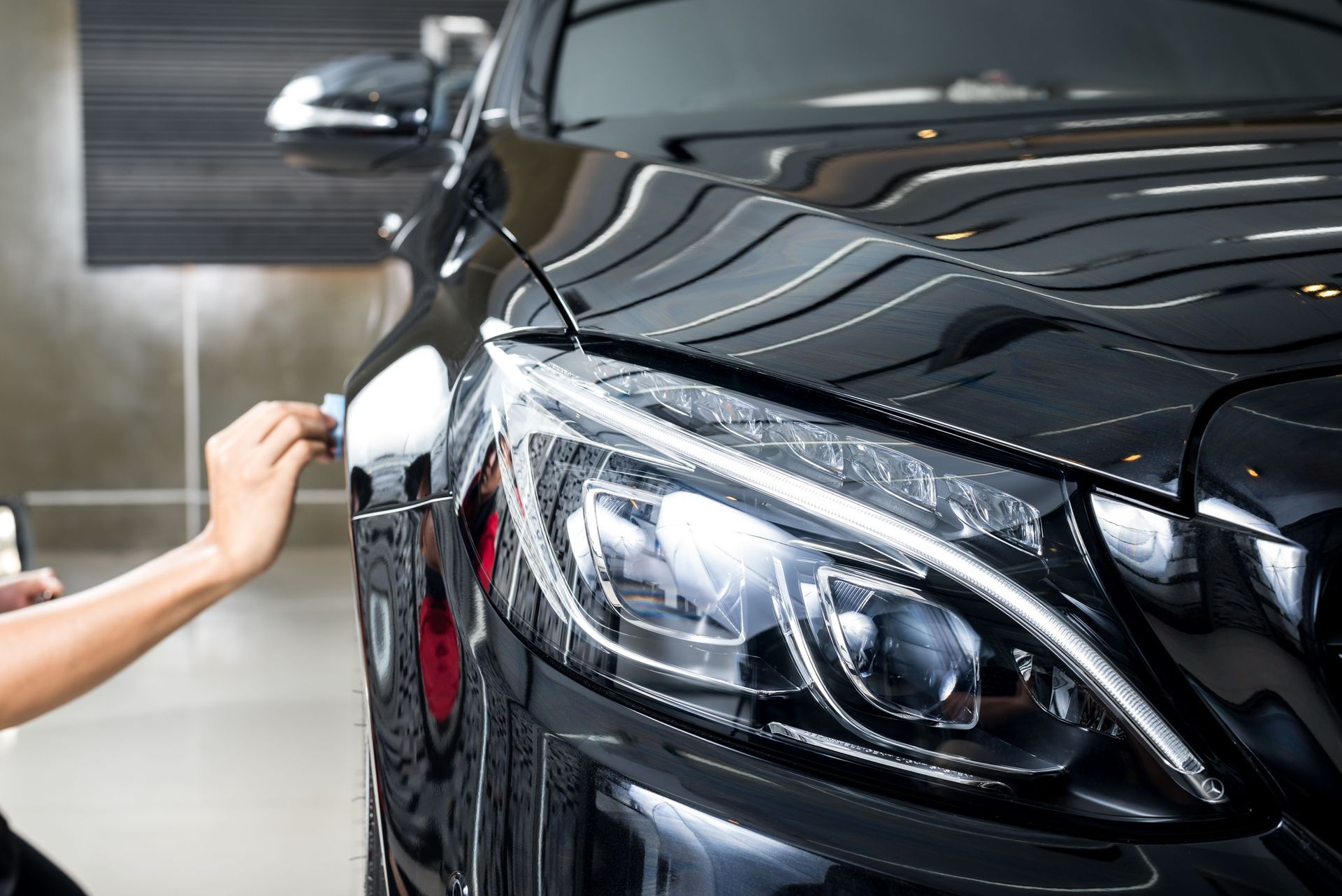
Paint Protection Film is a transparent urethane film applied to a vehicle's painted surfaces. It acts as a physical shield against rock chips, scratches, road debris, and other hazards that can damage paint. Many modern PPF products even feature self-healing properties, allowing minor scratches to disappear when exposed to heat.
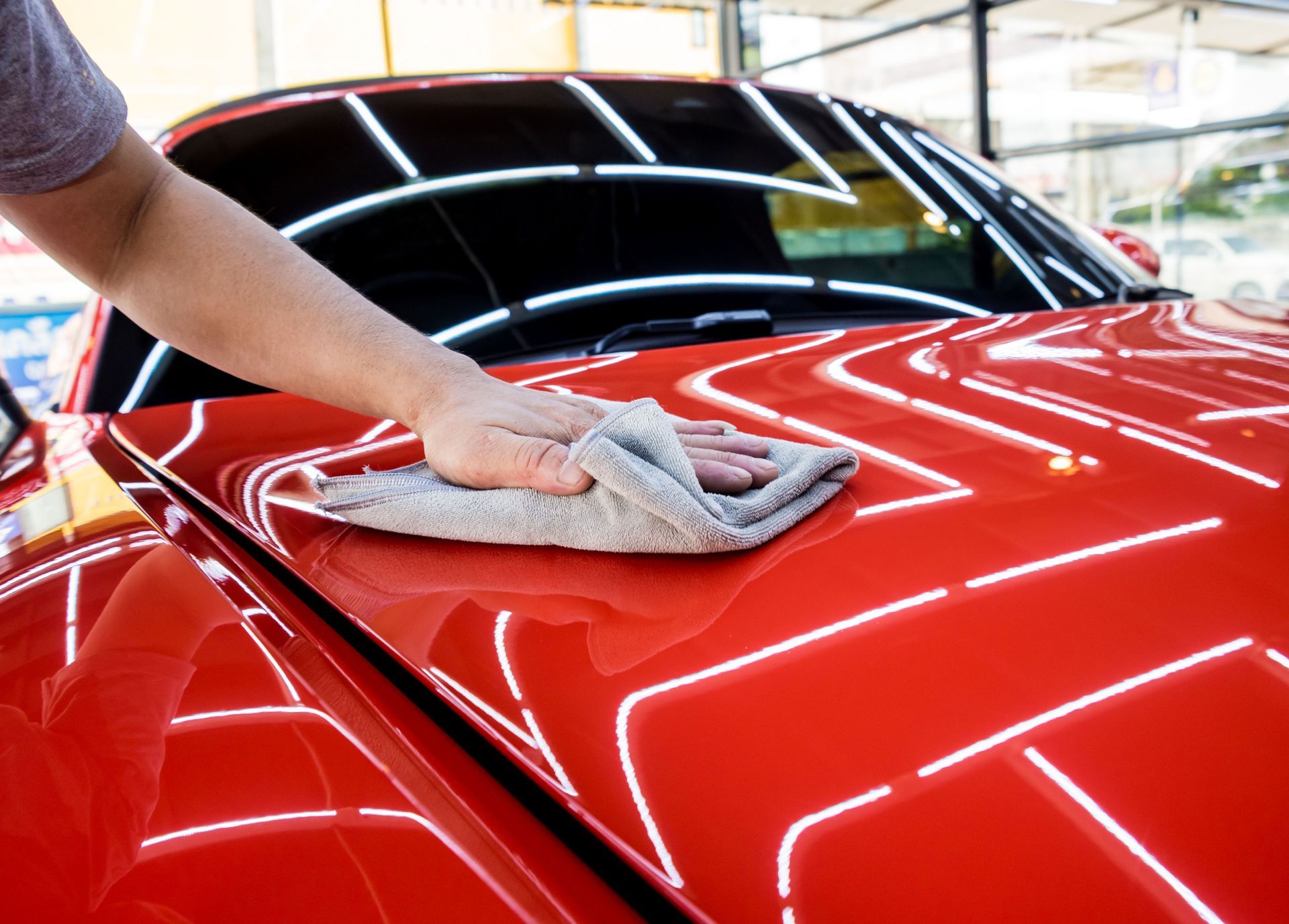
Ceramic coatings, on the other hand, create a durable chemical bond with the vehicle's paint. This protective layer enhances gloss while making the surface more resistant to contaminants such as dirt, bird droppings, tree sap, and water spots. The hydrophobic nature of ceramic coatings also makes cleaning and maintenance significantly easier.
Local vehicle protection matters because every region presents unique challenges. A driver living in a bustling urban area may face different risks than someone residing in a rural community or coastal environment. Understanding these local factors helps vehicle owners choose the most effective protection strategy for their specific needs.
How Can Local Climate Affect Your Vehicle Protection Needs?
Climate plays a significant role in determining the type and extent of vehicle protection required. Environmental conditions vary widely across regions, and these differences can directly impact a vehicle's exterior surfaces.
In areas with intense sunlight and high temperatures, ultraviolet rays can gradually fade paint and damage exterior finishes. Ceramic coatings provide valuable protection by helping shield the paint from UV exposure while maintaining the vehicle's shine. Drivers in sunny climates often find that vehicle protection solutions help preserve their vehicles' appearance despite constant exposure to the elements.
Regions that experience frequent rain present another set of challenges. Moisture can contribute to staining, water spotting, and corrosion over time. Ceramic coatings offer hydrophobic properties that cause water to bead and roll off surfaces more easily, reducing the likelihood of long-term damage.
Cold-weather climates bring their own concerns. Road salt, sand, and deicing chemicals can be particularly harsh on a vehicle's paint and undercarriage. Paint Protection Film serves as an excellent barrier against abrasive materials that can cause scratches and chips during winter driving conditions. Effective vehicle protection becomes especially valuable when roads are routinely treated with chemicals that can accelerate wear.
Coastal communities expose vehicles to salt-laden air, which can increase the risk of corrosion. In these environments, combining ceramic coatings with regular maintenance creates a comprehensive vehicle protection strategy that helps combat the effects of salt exposure.
What Legal Requirements Should You Know About Vehicle Protection Locally?
Although Paint Protection Film and ceramic coatings are generally optional enhancements, vehicle owners should still understand the legal and regulatory aspects associated with maintaining and protecting their vehicles.
Insurance requirements vary by state and locality. While insurance policies may not specifically mandate PPF or ceramic coatings, maintaining a vehicle in good condition can influence claims and valuations in certain circumstances. Vehicle protection measures may help document and preserve a vehicle's condition, potentially supporting future insurance assessments.
Some regions enforce regulations regarding windshield visibility and window tinting. Vehicle owners considering protective films should ensure that any products installed comply with local laws. Reputable installers are typically familiar with these regulations and can recommend compliant solutions.
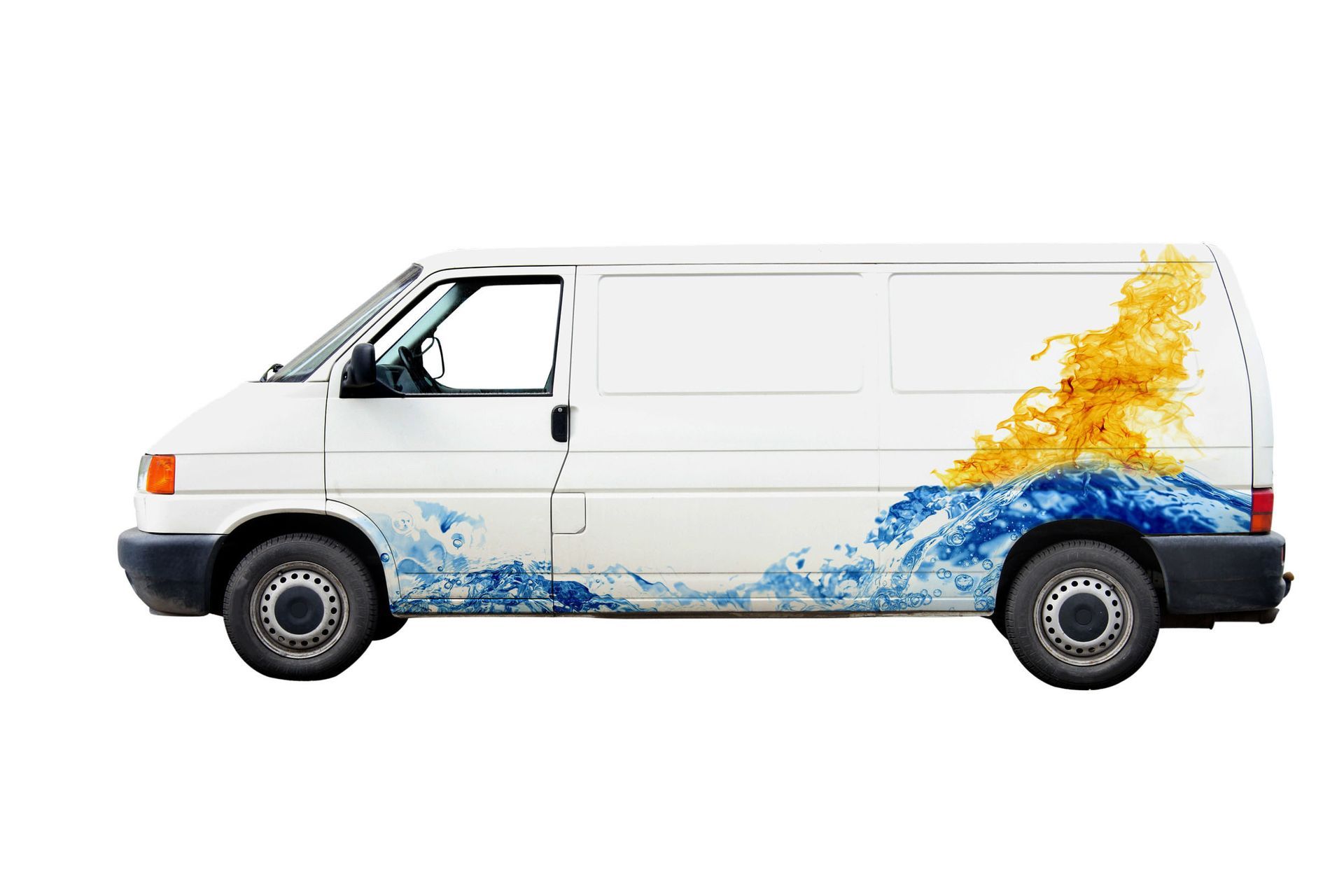
Commercial vehicle operators may face additional maintenance standards established by local authorities or industry regulations. Proper vehicle protection can help businesses maintain professional appearances while reducing downtime associated with cosmetic repairs.
Vehicle inspections in some jurisdictions may also require that exterior components remain in safe operating condition. While cosmetic imperfections may not directly affect compliance, protecting a vehicle from preventable damage can help maintain its overall integrity and appearance.
What Are the Common Local Threats to Vehicle Safety?
Every community presents unique risks that can affect a vehicle's condition and longevity. Understanding these threats is an important step in selecting the most appropriate vehicle protection measures.
Road debris is one of the most widespread hazards. Gravel, loose stones, and construction materials can strike a vehicle's paint at highway speeds, resulting in chips and scratches. Paint Protection Film provides a strong defense against these impacts, particularly on vulnerable areas such as the hood, bumper, and side mirrors.
Urban environments often expose vehicles to crowded parking lots and heavy traffic. Minor scratches, door dings, and accidental contact with shopping carts can gradually accumulate. While no solution can eliminate every risk, vehicle protection products can significantly reduce visible damage.
Natural hazards vary by region. Areas prone to dust storms, hail, or heavy winds may subject vehicles to abrasive particles and debris. Ceramic coatings help minimize contaminant adhesion, making cleanup easier and reducing the likelihood of surface damage.
Biological contaminants are another common concern. Bird droppings, insect residue, and tree sap contain substances that can damage paint if left untreated. Ceramic coatings create a protective layer that helps prevent these materials from bonding strongly to the vehicle's surface.
High-crime areas may experience elevated rates of vandalism or theft-related damage. While PPF and ceramic coatings cannot prevent criminal activity, they can help minimize certain types of cosmetic damage and preserve a vehicle's appearance following minor incidents.
How to Choose the Right Vehicle Protection Based on Local Recommendations?
Selecting the best protection system requires evaluating local conditions, driving habits, and personal preferences. Fortunately, professional installers and experienced vehicle owners can provide valuable guidance.
Begin by assessing how and where the vehicle is used. Drivers who frequently travel on highways may benefit greatly from Paint Protection Film due to increased exposure to road debris. Those primarily concerned with maintaining a glossy appearance and simplifying maintenance may find ceramic coatings particularly appealing.
Consulting local detailing professionals is an excellent way to determine the most suitable vehicle protection options. Experienced installers understand regional climate conditions and can recommend products that perform well in specific environments.
Reading customer reviews and seeking recommendations from local automotive communities can also provide useful insights. Vehicle owners often share firsthand experiences regarding durability, maintenance requirements, and overall satisfaction with different protection products.
Many professionals recommend combining both PPF and ceramic coatings for comprehensive vehicle protection. In this approach, PPF protects high-impact areas from physical damage while ceramic coatings enhance appearance and provide chemical resistance across the entire vehicle.
Paint Protection Film and ceramic coatings have become essential tools for modern vehicle owners seeking long-term preservation and performance. By understanding local climate conditions, legal considerations, common threats, and expert recommendations, drivers can make informed decisions about
vehicle protection. Investing in the right protective solutions today can help maintain your vehicle's appearance, value, and durability for many years to come. If you're looking for comprehensive vehicle protection, contact Autographix today!