By Nelson Smith
August 24, 2026
Understanding how to preserve a vehicle's exterior finish is a top priority for automotive owners who value both aesthetic appeal and long-term asset value. The auto detailing industry has undergone significant evolutionary shifts over the past few decades, transitioning from simple paraffin-based pastes to advanced liquid polymer solutions. Modern vehicle owners are increasingly turning to advanced liquid formulas to safeguard their clear coats against harsh environmental elements, persistent chemical contaminants, and daily road debris. Evaluating these modern exterior preservation techniques requires a comprehensive look at how advanced surface treatments interact with factory paint systems, elevate physical gloss, and minimize the time required for routine vehicle maintenance.
Investing in high-end vehicle care ensures that the outer clear coat remains shielded from environmental hazards like acid rain, ultraviolet radiation, tree sap, and road salts. Traditional protection methods often degrade rapidly when exposed to high heat or aggressive road chemicals, leaving the underlying color layer vulnerable to premature oxidation and unsightly fading. Advanced protective solutions form an enduring barrier that far outperforms historical alternatives in terms of chemical resistance and physical durability. By choosing a sophisticated protective solution like ceramic coatings, car owners not only keep their vehicles looking pristine in daily traffic, but they also protect the overall market resale value over the lifetime of ownership.
Understanding the Chemical Bonding Mechanisms
Analyzing the core chemical structure reveals why modern protective treatments provide such exceptional surface coverage and physical resilience. These advanced formulas are primarily composed of liquid silicon dioxide compounds that undergo a catalytic curing process when exposed to atmospheric moisture. Upon application, the liquid fills the microscopic pores, valleys, and imperfections inherently present within factory paint finishes. This filling action smooths out the physical texture of the clear coat, establishing an exceptionally uniform, flat surface that drastically transforms how light reflects off the vehicle body.
Examining the interface between the paint and the protective treatment shows a dramatic shift away from simple topical layers. Unlike traditional waxes that merely sit on top, ceramic coatings form a molecular connection with the paint. This bond results in a layer that is both strong and flexible, providing long-lasting protection. According to Car and Driver, high-quality, professional ceramic coatings can last upward of five years, making them a worthwhile investment. This rigid, integrated structure creates an impermeable barrier against atmospheric contaminants, preventing harmful substances from directly contacting or etching the original factory clear coat.
Evaluating Key Aesthetic and Functional Advantages
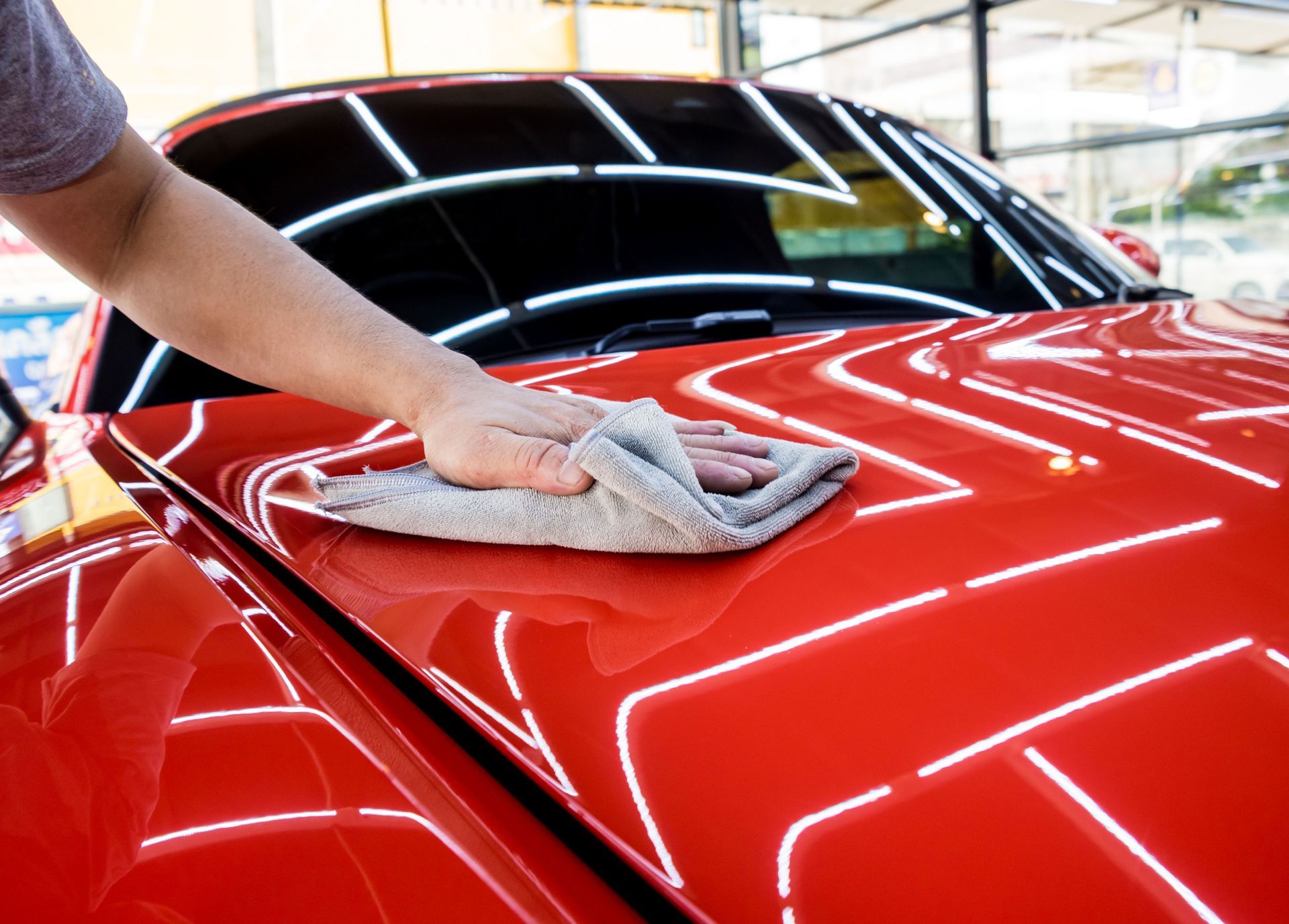
Experiencing the visual benefits of a newly treated surface is often the most immediate reward for any dedicated vehicle owner. The ultra-smooth top layer drastically increases specular reflection, providing an intense, reflective surface clarity often described as a deep, wet-look glass finish. Metallic flake patterns become significantly more pronounced, while flat paint colors exhibit a deeper, richer tone. Beyond mere cosmetic enhancements, this smooth physical plane offers unmatched functional utility by resisting surface micro-abrasions and preventing environmental staining from organic matter like bird droppings and bug splatter.
Observing the extreme hydrophobic qualities of a treated exterior reveals how effectively liquids are repelled from the vehicle surface. Water droplets instantly bead up into near-perfect spheres upon contact, rolling off smooth body panels and taking trapped surface dust, light dirt, and road grime along with them. This self-cleaning phenomenon vastly reduces the physical effort required during routine washing cycles. Furthermore, the robust chemical cross-linking shields the paint finish against intense ultraviolet radiation, effectively blocking solar energy that would otherwise cause color degradation, clear coat cloudiness, and chalky paint oxidation over time.
Navigating Professional Application Procedures
Executing a successful application requires an immaculate working environment, specialized tools, and precise mechanical technique. The process begins with exhaustive surface preparation, including chemical decontamination, iron particle removal, clay bar treatment, and comprehensive multi-stage machine paint correction. Any swirl marks, deep scratches, or buffer trails left on the clear coat will be permanently locked under the protective glass layer if not corrected beforehand. Professional installers meticulously strip all oils, silicone residues, and polishing compounds using dedicated isopropyl alcohol solutions to ensure maximum direct adhesion to the clear coat layer.
Applying the liquid polymer demands meticulous attention to detail, controlled ambient temperatures, and strict timing parameters. Technicians carefully work in small, cross-hatched sections using lint-free applicator blocks to ensure complete, uniform paint coverage. Once the carrier solvents flash off, the excess residue must be thoroughly buffed away using fresh, high-density microfiber towels to prevent permanent high spots or uneven leveling streaks. The vehicle must then sit in a temperature-controlled, dust-free environment for an extended period, allowing the surface to initial-cure before encountering moisture, road oil, or airborne contaminants.
Dispel Common Maintenance Myths
Addressing widespread misconceptions regarding long-term maintenance is critical for managing vehicle owner expectations after application. A frequent myth suggests that treated vehicles become completely scratch-proof, immune to rock chips, or exempt from regular washing routines. In reality, while these liquid treatments add measurable surface hardness and improve resistance against fine swirl marks, they cannot stop heavy mechanical impacts, sharp debris strikes, or aggressive deliberate keying. Understanding that these coatings are engineered for environmental defense rather than impact resistance helps owners properly protect their investment. Misunderstanding these baseline capabilities often leads to unrealistic expectations regarding overall paint durability.
Recognizing the necessity of routine maintenance on your ceramic coatings ensures that the protective barrier continues to perform at its peak capability for years. Even the most resilient surfaces accumulate fine road film, mineral deposits, and organic film over extended periods of driving. Allowing these contaminants to sit undisturbed can temporarily mask the underlying hydrophobic properties, making the surface appear degraded even when the core protective structure remains completely intact. Regular hand washing using pH-neutral automotive soaps, dedicated microfiber wash mitts, and gentle multi-bucket techniques re-activates the repelling surface dynamics and keeps the paint looking pristine. Establishing a consistent washing schedule remains the best strategy for preserving gloss over long timeframes.
Integrating Advanced Surface Preservation Technologies
Looking ahead to the evolution of surface preservation reveals exciting technological breakthroughs on the near horizon. Chemical engineers are continuously refining molecular formulas by incorporating self-healing polymers, anti-static materials, and enhanced thermal barrier properties. These emerging hybrid formulations aim to offer even greater physical durability while increasing elasticity, allowing the protective layer to actively recover from minor surface marring when exposed to direct heat or warm sunlight. As automotive paint systems become thinner and more environmentally sensitive, advanced protective clear-coat solutions will become an essential component of vehicle care. These continuous engineering improvements will ensure that future formulas deliver unprecedented surface longevity.
Evolving market options now include tailored formulation blends designed specifically for distinct vehicle substrates, including matte paint finishes, plastic trims, aluminum wheels, and exterior glass panels. By matching specialized liquid formulas to specific material substrates, detailing specialists can maximize bond strength and surface longevity across every inch of the exterior bodywork. Automotive enthusiasts who embrace these sophisticated preservation methodologies enjoy superior surface defense, effortlessly streamlined maintenance routines, and an enduring visual brilliance that commands attention on every road. Customizing these liquid treatments to specific vehicle components establishes complete coverage from front bumper to rear diffuser.
Transforming your vehicle exterior with professional
ceramic coatings guarantees unbeatable paint gloss, extreme hydrophobic performance, and multi-year defense against severe environmental wear. The dedicated detailing specialists at Autographix utilize industry-leading techniques and premium-grade formulas to deliver flawless surface finishes tailored to your exact driving demands. Contact us today to schedule your comprehensive surface assessment, consult with our master technicians, and protect your vehicle with the absolute ultimate in exterior surface care. Choosing a premium protective application remains the single best long-term strategy for preserving auto aesthetics.