By Nelson Smith
August 24, 2026
Choosing a lift for your truck involves more than deciding how tall you want the vehicle to sit. A taller suspension can provide additional ground clearance, accommodate larger tires, and change the overall appearance of a truck. However, every increase in ride height also affects suspension geometry, handling, ride quality, cost, and sometimes the truck's practicality.
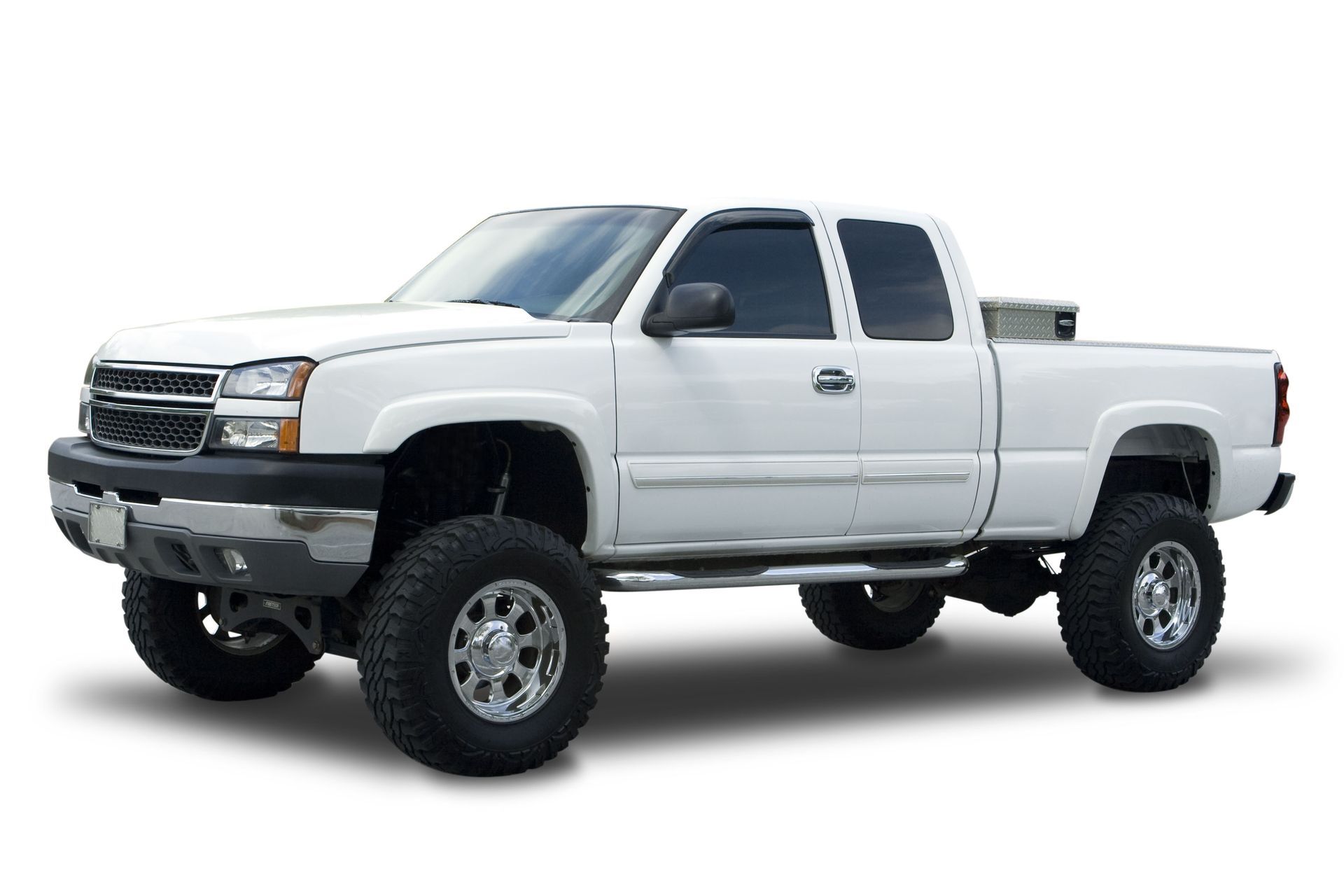
For many owners, a 2-inch lift provides enough additional clearance without dramatically changing the truck's driving characteristics. A 4-inch setup can provide a stronger balance between everyday usability and off-road capability, while a 6-inch lift is generally better suited to owners who want substantial tire clearance and a more aggressive off-road build.
According to Data Intelo, the global lift kit market was valued at $6.8 billion in 2025, driven in part by growing demand for off-road vehicle customization. With so many truck owners modifying their vehicles, understanding how to select the appropriate lift size is increasingly important.
How Do I Choose the Right Truck Lift Kit Size?
The best place to start is by considering how you actually use your truck. A truck that spends nearly every day commuting on pavement has different requirements than one regularly used for trail riding, hunting, overlanding, or hauling equipment through rough terrain.
A 2-inch truck lift kit can be a practical choice for a daily driver. It provides a modest increase in clearance while generally requiring fewer supporting modifications than a substantially taller suspension. It can also provide additional room for slightly larger tires without turning the truck into a completely different vehicle.
A 4-inch truck lift kit is a middle-ground option. It can provide noticeably more ground clearance and allow for larger tires while still retaining reasonable road manners when properly installed. This makes a 4-inch setup appealing to owners who want meaningful off-road capability without building a truck primarily around extreme trail use.
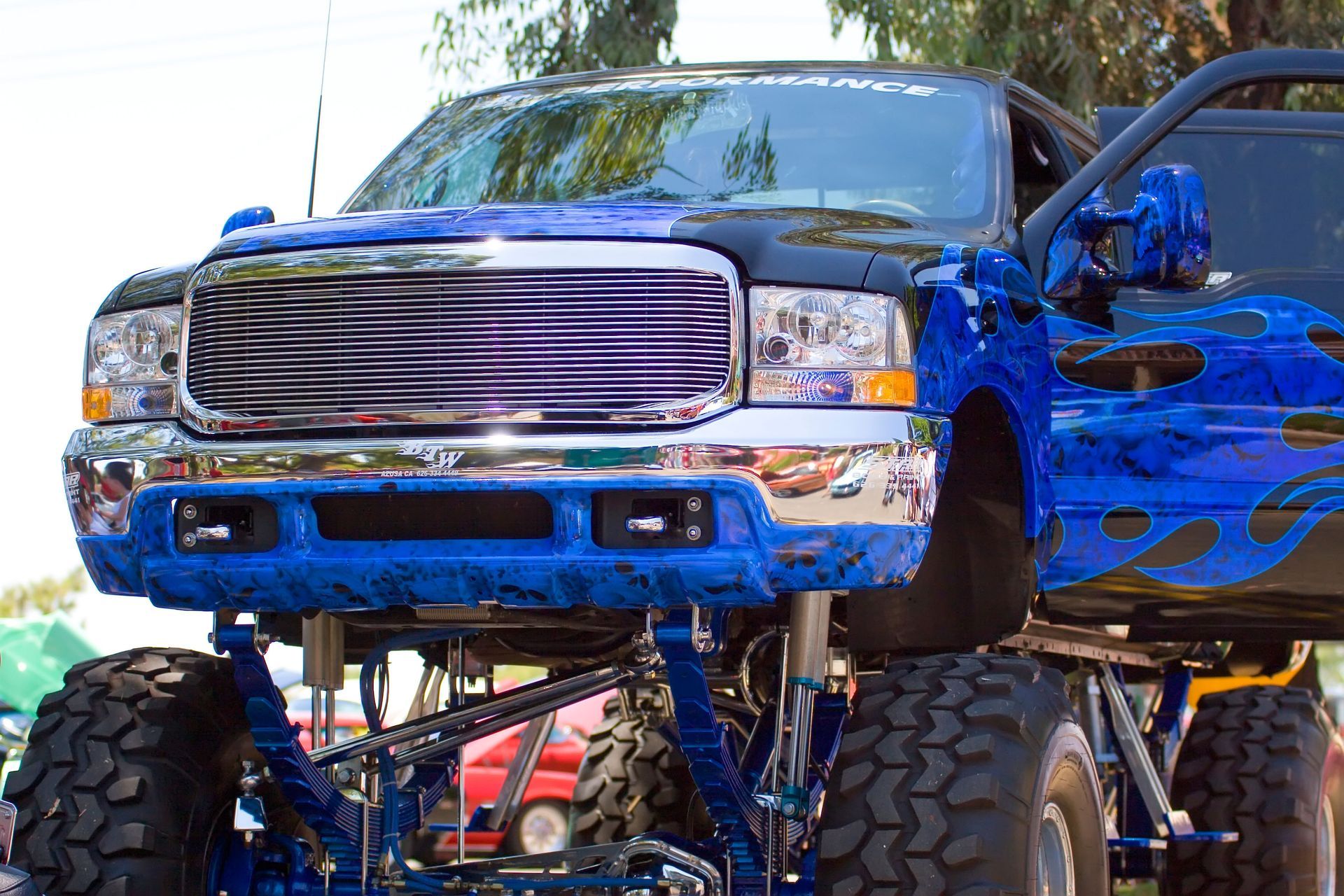
A 6-inch truck lift kit represents a much larger commitment. The additional height can create room for substantially larger tires and provide more clearance over obstacles. However, the installation can require additional suspension components and drivetrain or steering considerations depending on the truck.
Before choosing a height, check the manufacturer's recommendations for your specific year, make, model, drivetrain, and intended tire size. Lift height alone does not tell the entire story.
What Are the Benefits of a 2-Inch Versus a 6-Inch Lift?
The difference between a 2-inch and 6-inch lift is significant. A 2-inch setup tends to preserve more of the truck's original characteristics, while a 6-inch setup produces a much more dramatic transformation.
A 2-inch truck lift kit can improve approach and departure clearance while giving the truck a slightly taller stance. It may also provide enough additional clearance for the tire size an owner wants without requiring extensive changes elsewhere. For a truck that remains primarily a commuter or work vehicle, that can be a major advantage.
A 6-inch truck lift kit offers considerably more visual presence and can provide substantially more clearance when combined with appropriately sized tires. For serious off-road enthusiasts, the additional height can help prevent the chassis, differentials, and other components from contacting obstacles.
However, bigger is not automatically better. Larger lifts can raise the truck's center of gravity, potentially affecting cornering and emergency handling. They can also make getting into the truck more difficult and increase the effort involved in loading cargo or connecting a trailer.
The supporting modifications can also add up quickly. Depending on the truck and kit, owners may need upgraded control arms, shocks, steering components, brake-line modifications, driveshaft adjustments, or other parts. That means the price difference between a small and large lift can extend well beyond the initial kit.
Is a 4-Inch Lift Enough for Off-Road Adventures?
For many truck owners, a 4-inch truck lift kit provides a useful compromise between clearance and practicality. It can create considerably more room for larger tires than a modest leveling or 2-inch setup while avoiding some of the compromises associated with very tall lifts.
Whether 4 inches is enough depends heavily on the type of terrain being tackled. Someone primarily traveling gravel roads, muddy trails, forest roads, and moderate rocky terrain may have little reason to go beyond four inches. In those situations, tire selection, traction, suspension travel, recovery equipment, and driver skill can be just as important as ride height.
A 4-inch lift also allows an owner to build a capable truck without necessarily turning it into an extreme off-road machine. The truck can retain useful cargo and towing capabilities while gaining additional clearance.
For serious rock crawling or other highly demanding terrain, however, a 6-inch truck lift kit may provide advantages. Even then, suspension travel and tire clearance need to be considered together. Simply raising the truck does not automatically make the suspension perform better.
It is also worth remembering that larger tires can contribute significantly to ground clearance. A truck with a moderate lift and appropriately sized tires can sometimes perform better than a dramatically lifted truck with poorly matched components.
How Do Lift Kits Affect Vehicle Handling and Stability?
Any suspension modification can affect how a truck behaves. As ride height increases, the vehicle's center of gravity generally rises. That can change the way the truck responds during cornering, braking, and sudden steering inputs.
This is one reason a properly engineered truck lift kit is preferable to simply stacking inexpensive components to achieve a desired height. Suspension geometry, shock selection, alignment, spring rates, and control-arm positioning all influence the finished vehicle.
A quality installation should account for the changes created by the lift. Depending on the truck, raising the suspension can alter camber, caster, toe, driveshaft angles, steering geometry, and other relationships between suspension components. These changes can affect tire wear and driving behavior if they are not addressed.
The tires themselves also matter. Larger, heavier tires increase unsprung and rotating mass, which can affect acceleration, braking, steering response, and fuel economy. A lift and tire combination should therefore be considered as one modification rather than two completely independent decisions.
For a truck that spends most of its time on public roads, these considerations may favor a smaller lift. For an off-road-focused vehicle, the additional clearance from a larger
truck lift kit may be worth the trade-offs.
What Are the Cost Considerations for Different Lift Sizes?
The initial purchase price is only one part of the cost of lifting a truck. Installation, alignment, tires, wheels, replacement suspension components, and potential drivetrain or steering modifications can all affect the final bill.
A 2-inch truck lift kit will generally be the least expensive option of the three, particularly when the installation is relatively straightforward. Depending on the vehicle and kit design, it may also require fewer supporting parts.
A 4-inch setup typically costs more because the suspension changes are more substantial. Owners should budget for installation and any components needed to maintain appropriate suspension geometry.
A 6-inch truck lift kit can become considerably more expensive. Larger tires and wheels alone can add thousands of dollars, while additional suspension and steering components can increase installation costs. Professional installation may also be advisable for more involved systems.
The right lift is ultimately the one that matches the truck's intended purpose, tire size, budget, and driving environment. Instead of choosing the tallest option available, consider what the truck actually needs. A properly matched suspension system can provide the clearance and capability you want without introducing unnecessary compromises. If you're considering a lift, reach out to Autographix today!