The dream of a sleek, comfortable, and private driving experience is a common one for many vehicle owners. However, the reality of achieving that level of automotive perfection often involves a grueling schedule of material research, specialized knowledge, and constant vigilance against installation errors and bubbling film. Customizing a vehicle is far more complex than simply applying a sticker once a year during a weekend project. It requires a deep understanding of solar heat rejection, infrared light blocks, and the precise timing of adhesive curing. For those who find their automotive maintenance plans swallowed by the demands of busy schedules, the assistance of professional auto tinting becomes a transformative solution.
Living in a region with diverse weather patterns means your vehicle faces intense sun during the summer and harsh glare from snow during the winter. A high-quality window film acts as a barrier, protecting both the passengers and the delicate interior materials from the elements. Beyond the visual appeal, the structural integrity of the film can even provide a layer of safety during an impact by holding shattered glass together.
1. Evaluate Local Legal Regulations
The first step in your journey involves an honest assessment of the statutes governing window modifications in your area. Every state maintains specific requirements regarding how dark a window can be and how much light must pass through the glass to ensure driver visibility and law enforcement safety. For those operating vehicles in the Cornhusker State, following the specific mandates set by the local government is essential to avoid citations and ensure your vehicle remains street legal.
Understanding the balance between privacy and visibility is a technical necessity. According to the Nebraska Legislature, the front side windows of a vehicle must not have a luminous reflectance of more than 35% and must allow for light transmission of more than 35%. This specific limit ensures that drivers maintain a clear view of their surroundings while still benefiting from the protective qualities of the film. When you seek professional auto tinting, an expert technician will help you select a shade that meets these exact criteria without compromising your legal standing on the road.
2. Analyze Material Performance Grades
The market offers a wide variety of films, each with distinct properties. Basic dyed films provide a dark look and some privacy, but they may lack the heat-rejection capabilities of more advanced options. Metalized films offer better heat reflection but can sometimes interfere with cell phone or satellite radio signals. Ceramic films are often considered the gold standard, as they offer incredible heat rejection and clarity without any electronic interference. Choosing the right auto tinting means matching the technical properties of the film to your personal needs and budget.
Consider these performance factors when choosing your material:
- Total Solar Energy Rejection, which measures the amount of heat blocked
- Ultraviolet Light Rejection, which prevents interior fading and skin damage
- Glare Reduction, which improves visibility during sunset or sunrise
- Infrared Rejection, which focuses on blocking the heat felt on the skin
3. Review Interior Protection Benefits
The sun is the primary enemy of your vehicle's cabin. Over time, intense radiation causes leather to crack, plastic to become brittle, and fabric to fade. By installing a protective layer, you are effectively applying a high-grade sunscreen to your car. This preservation is vital for the long-term resale value of the vehicle, as a pristine interior suggests a well-cared-for machine. Many owners find that the cost of the film is offset by the longevity it provides to the upholstery and dashboard.
Furthermore, the cooling effect provided by the film reduces the load on your air conditioning system. When the interior stays naturally cooler, the engine does not have to work as hard to maintain a comfortable temperature, which can have a positive impact on fuel efficiency. High-quality auto tinting serves as a functional upgrade that pays dividends every time you step into a cabin that hasn't been baking in the afternoon sun.
4. Consider Privacy and Security Needs
Privacy is a significant concern for many drivers, especially those who carry valuable equipment or personal items in their vehicles. A darker window makes it much more difficult for opportunistic thieves to see what is inside, acting as a passive theft deterrent. While no film makes a window completely opaque, the added layer of tint provides a psychological barrier that keeps your private life away from prying eyes.
Security also extends to the physical strength of the glass. In the event of a collision or an attempted break-in, the adhesive layer of the film helps keep the glass fragments together. Instead of showering the interior with sharp shards, the glass stays largely intact within the frame. This safety feature is a major reason why many families choose auto tinting for their primary transport vehicles.
5. Assess Installation Expertise and Quality
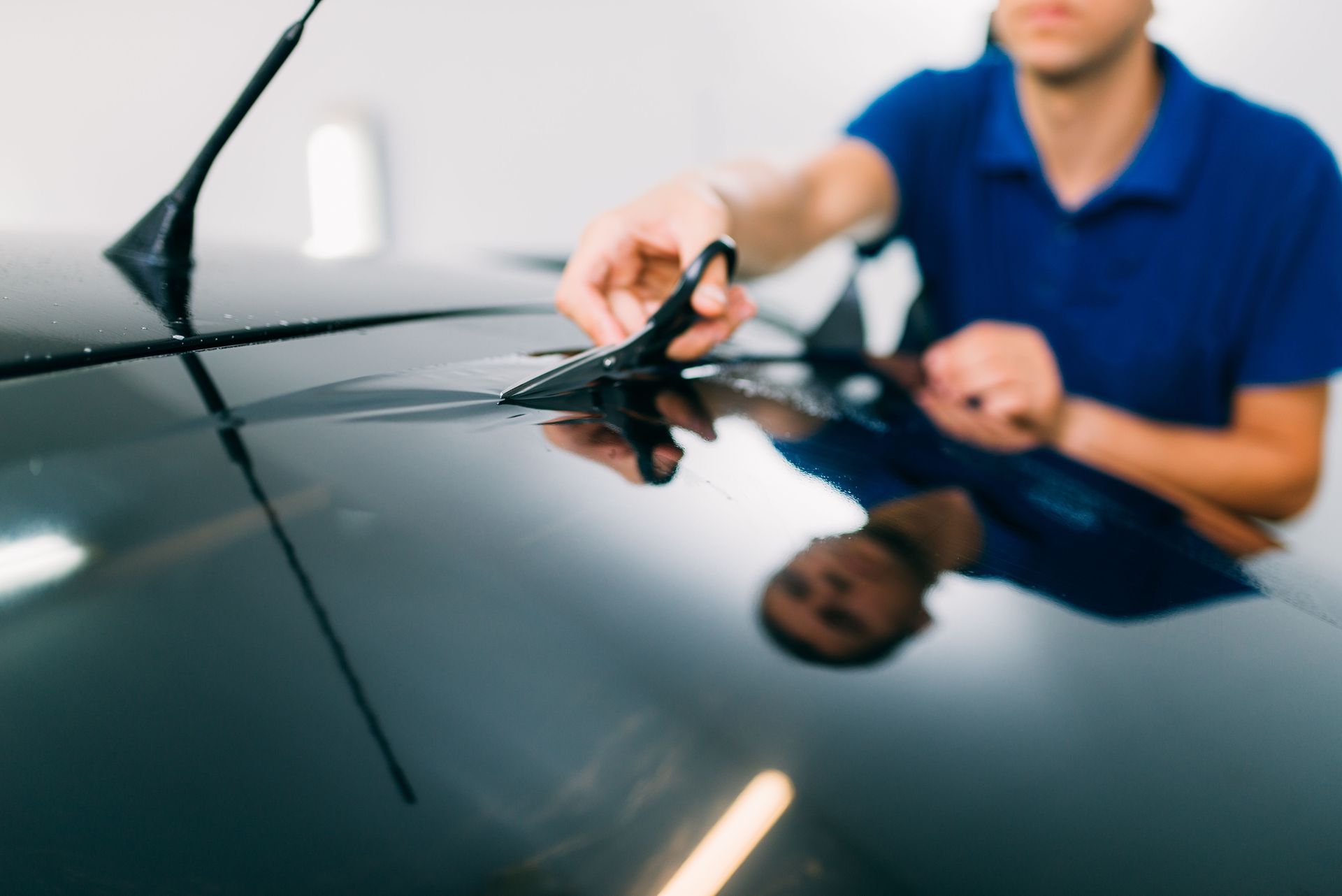
The difference between a flawless finish and a messy failure lies in the hands of the installer. Applying film is a delicate process that must be performed in a clean, dust-free environment. Even a tiny speck of dust can create a permanent bubble that ruins the look of the window. Professional shops use specialized tools to shrink the film to the exact contour of the curved glass, ensuring a tight fit that looks like it came directly from the factory.
Key indicators of a quality installation include:
- Micro-edge finishing, where the film reaches the very top of the glass
- Seamless application on the rear window regardless of the curvature
- Absence of any purple hue, which indicates low-quality dyed films
- A clear, non-distorted view when looking through the glass from the inside
Investing in professional auto tinting ensures that the edges do not peel or lift over time. Many high-end shops provide a lifetime guarantee against bubbling and peeling, which gives you peace of mind that the job was done correctly the first time.
6. Examine Maintenance and Curing Requirements
Once the film is applied, there is a critical period where the adhesive must cure and bond to the glass. During this time, which can last for several days depending on the humidity and temperature, you must avoid rolling down the windows.
Long-term care is also relatively simple but requires specific products. You should avoid ammonia-based cleaners, as these chemicals can break down the protective coatings on the film. Instead, a simple mixture of water and a drop of dish soap or a dedicated window film cleaner will keep the surface clean without causing damage. When you treat your auto tinting with care, it will remain clear and effective for as long as you own the vehicle.
7. Determine Budget and Warranty Options
The final consideration is finding a balance between the cost and the quality of the product. While it may be tempting to choose the cheapest option, lower-priced films often lack the ultraviolet protection and heat rejection of premium brands. They are also more prone to fading or turning purple after only a few years of exposure to the sun. Viewing the project as a long-term investment helps justify the cost of higher-grade materials.
A robust warranty is the hallmark of a confident service provider. You should look for a plan that covers not only the material but also the labor if a defect should arise. This protection ensures that your vehicle remains in top condition without additional out-of-pocket expenses later. When you are ready to enhance your driving experience with professional auto tinting, choosing a partner with a strong reputation for excellence is the most important step. For a finish that combines style, safety, and superior performance, contact our experts at Autographix.